
 Follow
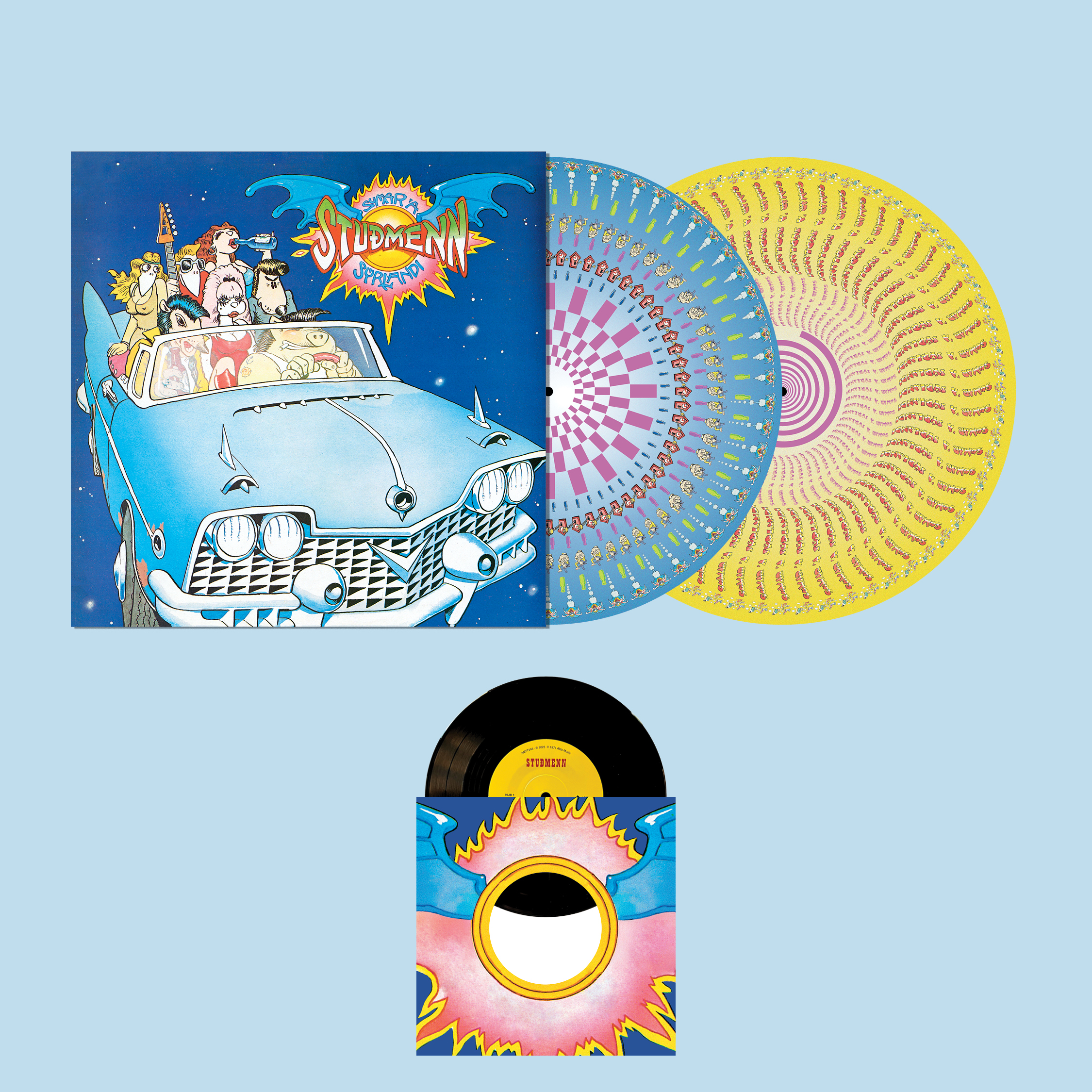
Alda hefur nú ráðist í glæsta endurútgáfu á Sumar á Sýrlandi, meistaraverki Stuðmanna frá 1975 sem fagnar því 50 ára afmæli í ár. Ótrúlegt. Nokkuð hefur verið um húllumhæ vegna þessa, hrært í nokkra andafundi úti á Stoppistöð og tætt og tryllt í gegnum nærliggjandi bláa skugga. Platan var heiðruð með lifandi flutningi í Hörpu hvar samankomnir flestir þeir Stuðmenn sem þátt tóku í plötunni ásamt einvalaliði samtíma tónlistarfólks.
Já, það má blása í lúðra ár hvert mín vegna þegar þetta þrekvirki á í hlut. Platan er komin út á forláta vínyl vegna afmælisins, annars vegar á bláum marmaravínyl og hins vegar á Zoetrope myndavínyl. Með þeirri útgáfu fylgir 7” plata með fyrstu fjórum lögunum sem Stuðmenn gáfu út árið 1974, þá á tveimur 7” vínylplötum á vegum Á.Á. Records.
Sjötomman er svo flott, mér finnst það vínylform eiginlega flottast. Það er nánast sexí eins og einn óþekktur tónlistarmaður lét hafa eftir sér. Myndavínyllinn er þá mjög hæfandi, enda fjallar platan öðrum þræði – jafnvel öllum þræði – um sýrutripp eður súrralískan draum. Er platan snýst getum við séð Stuðmennina fljúga, andann, dýrin í Týrol og skuggamanninn bláa. Virkilega vel útfært verður að segjast!
Um plötuna sjálfa hefur margt verið ritað. Ég ætla rétt að grípa niður í nýútkominni bók minni, Icelandic Pop: Then, Today, Tomorrow, Next Week, en þar ritaði ég eftirfarandi um plötuna og mikið blek reyndar sett í þessa öndvegisplötu sem -sveit:
„The resulting album, released in 1975, was called Sumar á Sýrlandi (Summer in Syria, but could also be interpreted, given some of the themes addressed on the album, as ‘Summer in Acid-Land’; Acid = Sýra). The album would prove to be a momentous event in Icelandic popular music history. The band were wont to do things tongue-in-cheek, playing with double entendres, and the album was full of fun and surrealism. Poignant thoughts on the realities of Icelanders bubbled under the surface as well. Musically, it was diverse, almost like a commentary on the styles that the members had been toying
with in their youth. The album is also a conceptual ride, in fact a knowing play on the ‘concept’ of the concept album, and the band somehow managed to keep a cool distance without sacrificing their authenticity. The album’s story is shown as a cartoon on the back of the cover, where we follow a few friends on a mind-bending road trip. It starts out innocently enough, with our hero, soda bottle in hand, waiting for his friends at a bus stop. They start partying freely, all in 1950s regalia, and side one closes with a track where the gang enters a ‘blue shadow’, a thinly veiled reference to marijuana smoking. Come side two, they are ‘flying’ to the spirit world and at the album’s close our protagonist wakes up from a dream – still at the bus stop. The album was an instant classic in Iceland, its legendary status intact ever since; in many ways, it was a crossover success, offering plenty for both the intelligentsia and the casual pop fan.“
Deildu!


